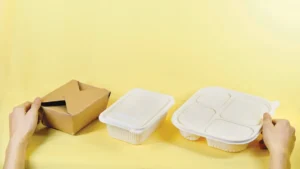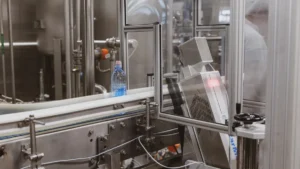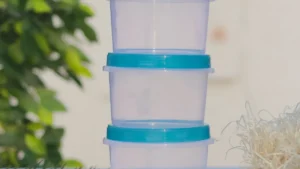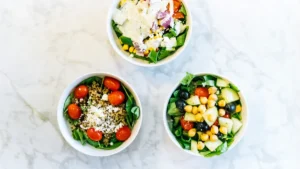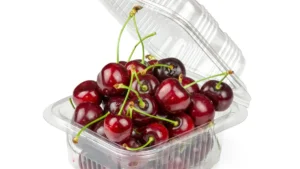
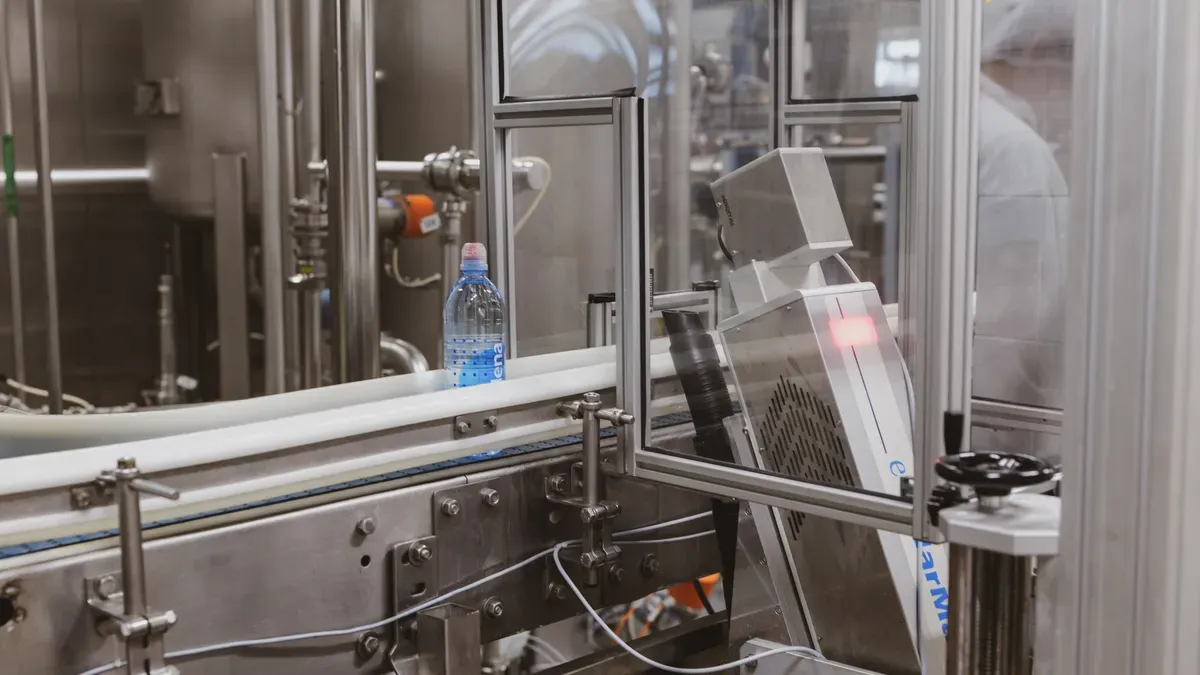
You transform raw resin pellets into shelf-ready containers through a precise, highly controlled conversion workflow. The modern custom Food Packaging Process begins when heat melts polymer resin inside an extruder. The extruder creates uniform plastic sheets. Packaging engineers design custom container geometries using advanced CAD modeling software to ensure structural integrity.
CNC machines carve prototype molds for mechanical fit testing. Next, heated plastic sheets undergo vacuum or pressure thermoforming to create rigid trays and clamshells. Integrated barrier technologies prevent gas exchange to extend product shelf life effectively. You master this custom Food Packaging Process to optimize overall production speed and maintain strict regulatory safety standards.
Key Takeaways
Select safe, food-grade plastic resins like PET, PP, and HDPE to withstand high heat and cold storage.
Design precise container molds using CAD software and CNC machines to test structural strength before mass production.
Form durable trays and flexible pouches using vacuum or pressure thermoforming to maintain consistent wall thickness.
Apply multi-layer barrier technologies and vacuum packaging to block oxygen, extend shelf life, and reduce food waste.
Plastic Resin Selection and Sheet Extrusion
Food-Grade Polymer Characteristics
You select raw plastic resins based on strict performance criteria to protect food products. Your chosen polymer must offer high chemical resistance, temperature tolerance, and moisture barrier properties. Polyethylene terephthalate (PET) provides clarity and strong barriers against oxygen. Polypropylene (PP) withstands high temperatures during microwave reheating. High-density polyethylene (HDPE) delivers outstanding impact strength for cold storage containers.
All polymers used in food packaging require very high purities, and the amounts of catalysts used are always extremely low.
You must verify complete compliance with global food safety regulations. The EU Plastics Regulation enforces an overall migration limit of 10 mg/dm² for plastic materials touching food. This limit prevents harmful chemical transfer into consumed items. Packaging color additives must not contaminate food products during extended storage. Packaging engineers evaluate resin identity, structural design, and storage temperature to guarantee full regulatory compliance.
The Plastic Sheet Extrusion Phase
The manufacturing process converts raw resin pellets into continuous plastic sheets through precise heating and extrusion force. An extruder melts the polymer while a rotating screw maintains uniform melt homogeneity. You control critical process parameters to maintain material consistency:
Process Parameter | Impact on Sheet Quality |
|---|---|
Temperature Control | Prevents surface defects and warping |
Screw Speed & Back Pressure | Controls melt homogeneity and output rate |
Die Gap & Roll Pressure | Determines exact sheet thickness |
Cooling Rate | Controls surface gloss and internal stress |
The molten plastic leaves a flat die and enters a three-roll calendering stack immediately. Polished steel rollers cool the sheet and define final surface smoothness. A synchronized haul-off system maintains steady line tension while pulling the cooling material. Advanced non-contact sensors continuously measure sheet thickness across the entire line width. Automated control systems adjust die pressure instantly to fix dimensional deviations within microns. Statistical process control software logs real-time data to ensure maximum yield efficiency.
Custom Food Packaging Process: Design and Tooling
CAD Modeling and Structural Engineering
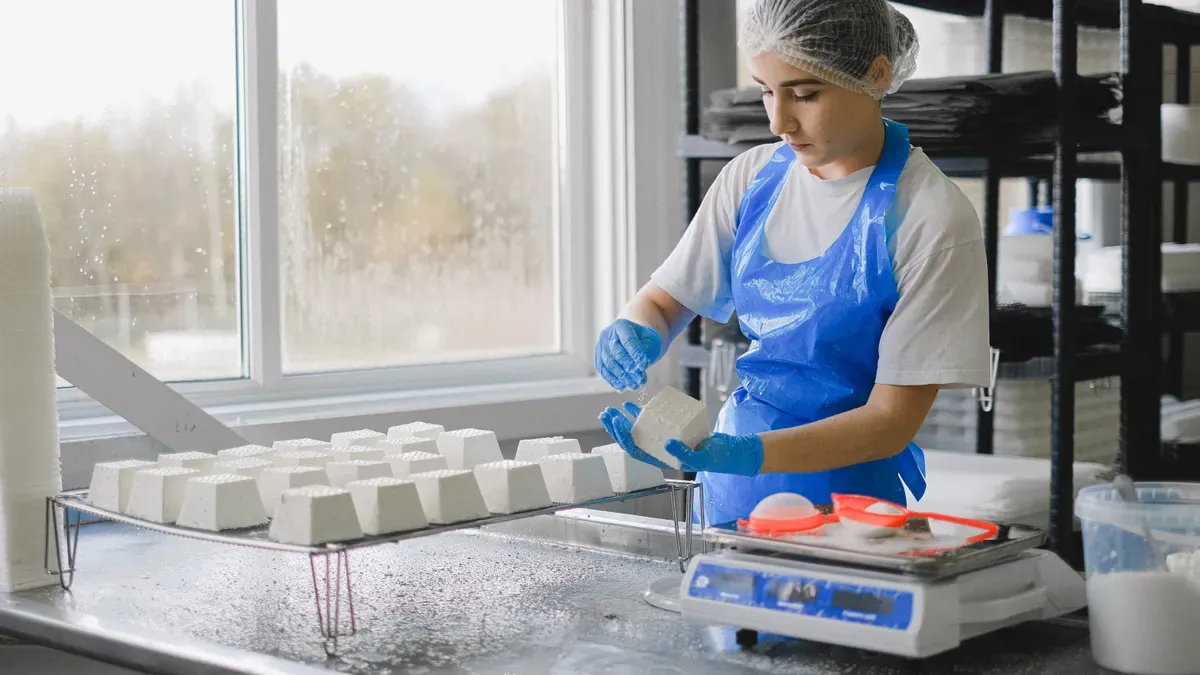
You transform raw packaging concepts into functional containers through computer-aided design (CAD) software. Packaging engineers draw precise 3D digital renderings to build functional formats like clamshells, trapped blisters, and rigid trays. You must balance structural strength against total material weight to protect shelf-stable foods during transit.
Core Engineering Tradeoff | Key Engineering Considerations |
|---|---|
Sustainability vs. Performance | Balances oxygen barriers, moisture protection, and seal integrity against material reduction. |
Cost vs. Circularity | Evaluates total system economics including resin prices, scrap rates, and line speed. |
Shelf Life vs. Recyclability | Weighs multi-layer barrier protection against end-of-life recycling infrastructure compatibility. |
Innovation vs. Operational Risk | Ensures new tray geometries run smoothly on existing machinery without slowing production. |
Engineers model internal stacking ribs to increase container rigidity. Proper wall geometry prevents collapse during thermal processing or stacking in warehouses. You design custom locking tabs for hinged clamshells to ensure clear user feedback during sealing.
Rapid Prototyping and Mold Tooling
You evaluate physical models before committing to mass production tooling. The custom Food Packaging Process relies on five essential engineering stages to bring new container concepts to market:
Engineering Concept Development – Packaging teams create initial design drawings and realistic 3D renderings based on food protection needs.
Concept Drawing Review – You review specifications including container color, material type, wall thickness, and barrier coatings.
Prototyping – Machinists build physical samples using techniques like 3D printing, prototype injection molding, or fast material cutting.
Molds and Tooling – Engineers manufacture production tooling with internal cooling channels while running life cycle assessments.
Thermoforming Production – Thermoforming lines run validated molds to output finished packaging under continuous quality monitoring.
Computer numerical control (CNC) machining turns 3D digital models into physical aluminum prototype molds. CNC equipment carves master tools to tolerances of ±0.005 in (±0.13 mm). You test these physical prototypes for proper snap-fit closures, secure lid integrity, and film seal strength.
Thermoforming and Container Manufacturing
Thermoforming in the Food Packaging Process
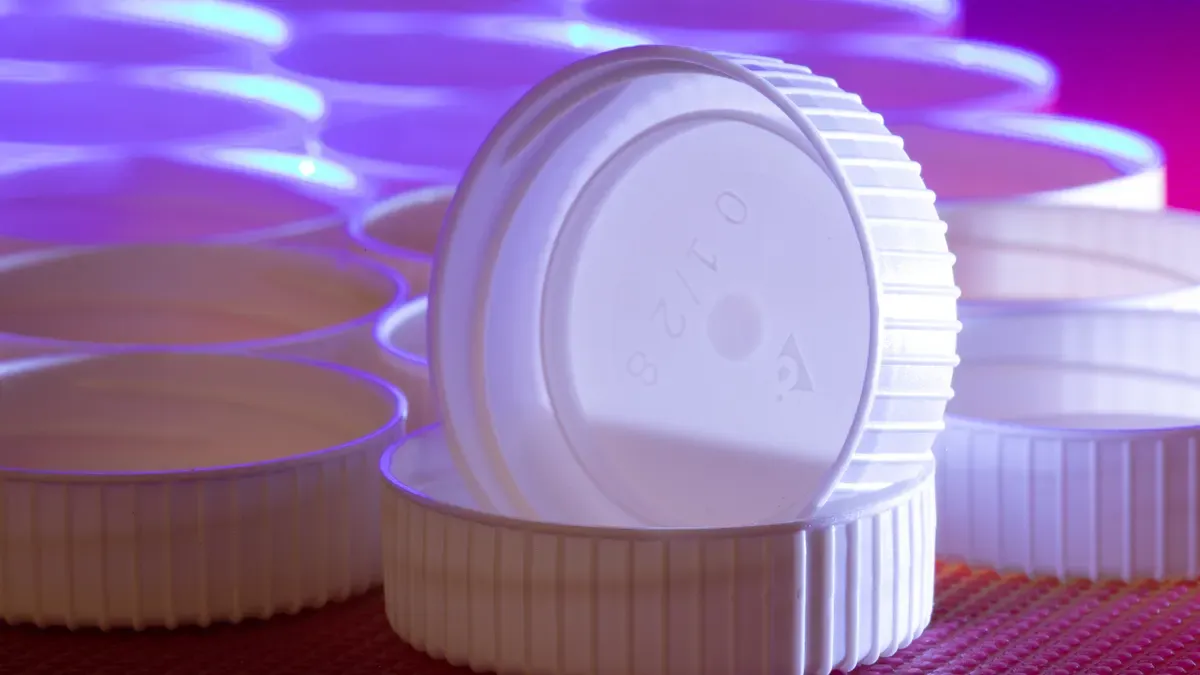
You transform flat plastic sheets into high-performance containers using precise thermoforming technology. Heat softens the extruded sheet before mechanical tools stretch the material into custom molds. This phase of the Food Packaging Process relies on carefully chosen forming methods to achieve exact wall thickness and deep-draw geometry.
Vacuum thermoforming relies on atmospheric pressure of approximately 0.1 MPa to pull plastic against a mold. This pressure works well for simple shapes. However, it can cause material thinning in deep corners. Pressure forming operates at 0.3 to 1.0 MPa. The extra air pressure pushes molten plastic into detailed mold cavities with high precision. Pressure forming achieves 15% to 25% better wall thickness retention in critical areas compared to vacuum processes. Twin-sheet processing heats two separate plastic sheets simultaneously. The machine fuses both sheets together under pressure to create hollow, highly rigid double-walled containers.
High-impact polystyrene (HIPS) shows more uniform thickness distribution in vacuum thermoforming due to its balanced melt strength, while polycarbonate performs better under pressure forming where higher pressures compensate for its higher viscosity.
Metric | Value |
|---|---|
Global market size (2025) | USD 49.11 billion |
Global market forecast (2034) | USD 81.38 billion |
CAGR (2025–2034) | 5.77% |
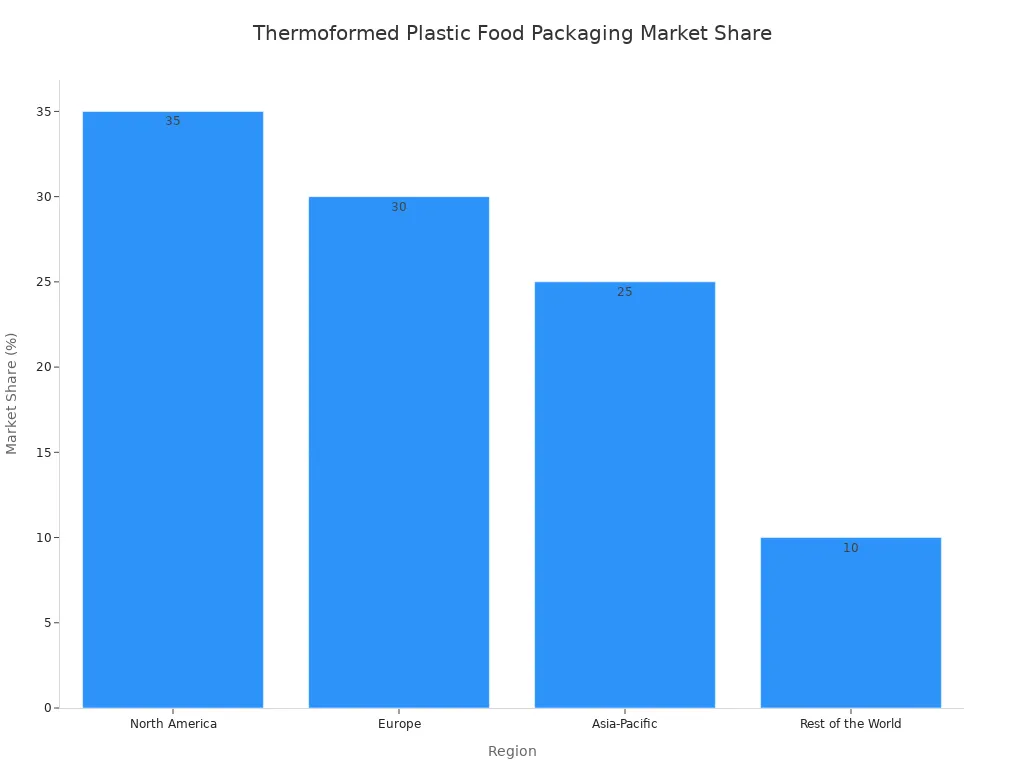
North America market share | 35% |
Europe market share | 30% |
Asia-Pacific market share | 25% |
Rest of the World market share | 10% |
The strong demand for thermoformed plastic packaging spans across multiple global economic regions.
Flexible Pouch and Bag Line Integration
You integrate flexible pouch manufacturing lines to produce lightweight, space-saving barrier bags. Flexible conversion requires a multi-step sequence to ensure structural strength and seal integrity.
Custom Printing – High-speed flexographic or rotogravure presses print branding and nutritional information directly onto the outer film layer.
Lamination – Machines combine distinct substrate layers using adhesives to form a multi-layer barrier web.
Slitting – Precision blades cut wide material rolls into narrow web widths matching exact pouch dimensions.
Pouch Formation – Folding plows shape the film web into standalone pouches or gusseted bags.
Heat Sealing and Cutting – Heated seal bars weld the inner sealant layers together before flying knives separate individual pouches.
You must run rigorous quality control procedures on your flexible packaging lines to maintain strong seals. Visual inspection under ASTM F1886 detects visible seal gaps or wrinkles immediately. You conduct the peel test according to ASTM F88 to measure the force required to separate sealed seams. Dye penetration testing following ASTM F1929 or ASTM F3039 reveals micro-channel leaks as small as ~50 microns. You perform gross leak detection using bubble emission tests under ASTM F2096 or ASTM D3078 to locate defects down to ~250 microns. Non-destructive vacuum decay testing following ASTM F2338 monitors pressure changes to catch hidden air leaks. Finally, you execute drop tests by filling pouches to stated weights and dropping them twice from a height of 4 feet to verify physical durability. Master these quality control protocols to protect products across the entire custom Food Packaging Process.
Preservation Features and Sustainability
Vacuum Packaging and Barrier Tech
You extend food shelf life by using advanced barrier techniques and vacuum sealing. Air removal prevents aerobic bacteria growth and stops freezer burn during cold storage. Modified Atmosphere Packaging (MAP) replaces internal oxygen with protective gases like nitrogen or carbon dioxide. This process slows microbial growth in meats, cheeses, and baked goods. Active packaging uses oxygen scavengers or moisture absorbers to protect freshness continuously.
Barrier Type | Function |
|---|---|
Oxygen Barrier | Prevents oxidation, which can lead to discoloration and altered taste |
Moisture Barrier | Keeps products dry or prevents moisture loss, depending on the food type |
UV and Light Protection | Shields sensitive products from degradation caused by light exposure |
Custom multi-layer films block harmful environmental elements. You can combine materials like polypropylene for water vapor protection and ethylene vinyl alcohol (EVOH) for gas barriers. NatureFlex NK offers a moisture barrier of 0.65g/100 in²/day at 100°F and 90% RH with certified compostability under ASTM D6400. Vacuum packaging consistently outperforms traditional overwraps during extended retail display.
Packaging Method | Redness (a* values) | Browning/Discoloration | Lipid Oxidation |
|---|---|---|---|
Vacuum Packaging | Greater from day 10 to 35 | Less from day 5 to 35 | Lower from day 10 to 35 |
PVC Overwrap | Lower from day 10 to 35 | More from day 5 to 35 | Higher from day 10 to 35 |
Post-Consumer Regrind Integration
Regrind: Scrap generated during standard thermoform manufacturing, often captured and reprocessed as a form of post-industrial recycling.
You lower environmental impact by blending post-consumer regrind (PCR) into non-food or food-contact layers. FDA Non-Objection Letters (NOL) approve specific PCR materials like recycled polypropylene for direct food contact. These approvals cover Conditions of Use A through H across hot-fill, frozen, and microwaveable applications.
Regulatory agencies enforce strict purity thresholds for recycled resins. The FDA targets an exposure limit of 1.5 mg/person/day, or a 0.5 ppb dietary concentration for contaminants. EFSA enforces a TTC threshold of 0.0025 μg/kg body weight/day for unknown contaminants. You meet these safety rules through effective manufacturing strategies:
Blending recycled resin with virgin material to dilute residual contaminants.
Placing a functional barrier layer between the food and the recycled resin.
Maintaining strict source control over incoming post-consumer feedstocks.
You optimize your custom Food Packaging Process by mastering resin selection, precise tooling, and modern thermoforming. Plastic containers remain 3.6 times lighter than alternative materials. This lower weight cuts transport costs and reduces your supply chain carbon footprint. Advanced oxygen barriers, vacuum sealing, and approved post-consumer regrind resins help you meet strict safety rules and environmental goals.
Legislative pushes for recycled content in North America create a short-term impact timeline of under two years for your production planning. You protect product freshness while maintaining operational efficiency. Consult with our packaging engineers today to refine your container designs, streamline production timelines, and maximize shelf performance.
FAQ
What overall migration limit must food packaging meet?
You must meet an overall migration limit of 10 mg/dm² under the EU Plastics Regulation. This safety standard prevents harmful chemical transfer from plastic materials into consumed food items during extended storage.
How does pressure forming differ from vacuum thermoforming?
Vacuum forming pulls plastic using atmospheric pressure around 0.1 MPa. Pressure forming applies higher pressures from 0.3 to 1.0 MPa. This extra force improves wall thickness retention in deep corners by 15% to 25%.
What testing detects gross leaks in flexible pouches?
You perform gross leak detection using bubble emission tests under ASTM F2096 or ASTM D3078. These standardized quality control procedures locate defects down to approximately 250 microns in your sealed flexible barrier bags.
What dimensional tolerance do CNC machined prototype molds achieve?
Computer numerical control equipment carves master prototype tools to tight tolerances of ±0.005 in (±0.13 mm). You test these physical models to confirm proper snap-fit closures, lid integrity, and film seal strength.