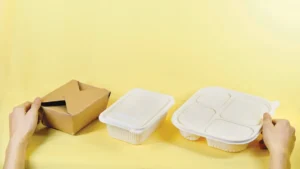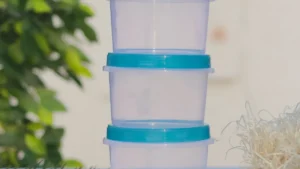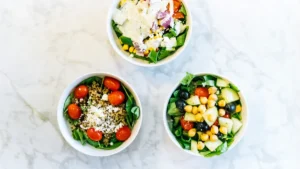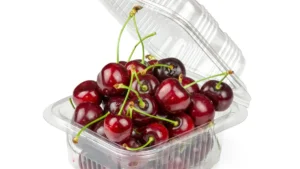
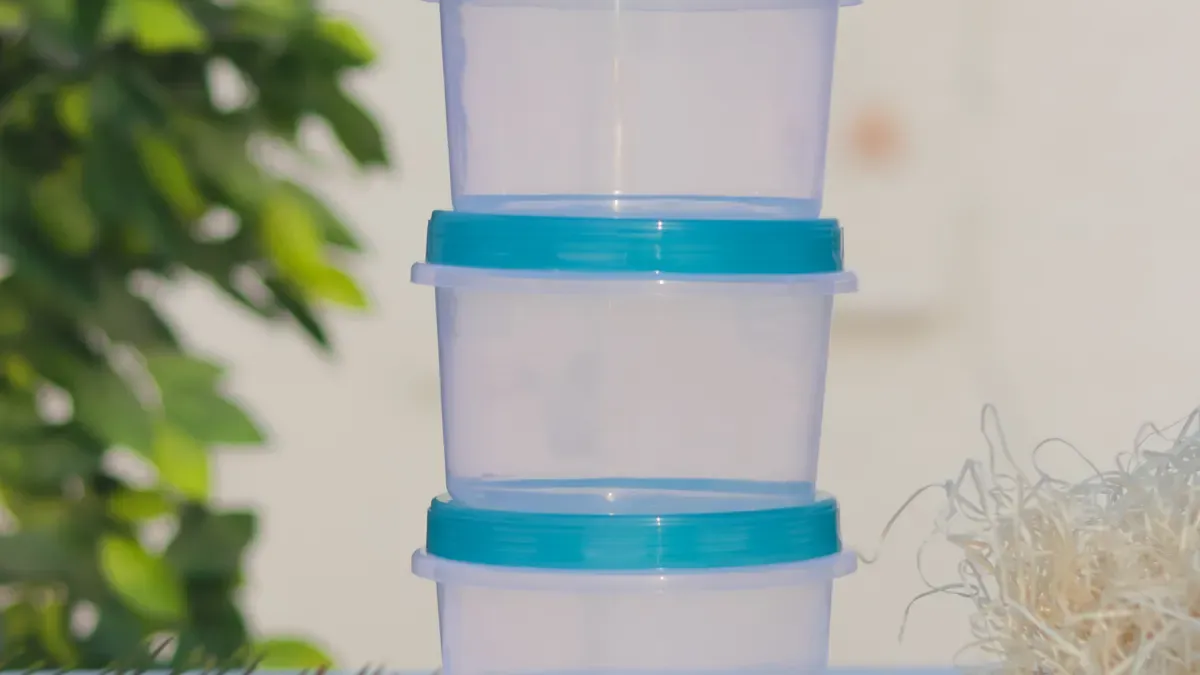
You must select the right plastic takeout containers to keep your meals fresh and secure. Polypropylene safely handles hot items because heat warps other materials. PET plastic excels for cold items because high clarity displays fresh ingredients. Always insist on FDA approved, BPA free food grade standards. Safe packaging maintains structural integrity during temperature changes. Restaurant owners, professional caterers, and everyday consumers require trustworthy packaging solutions. The market size reached USD 26.72 billion in 2024 due to expanding online food delivery. Selecting correct materials protects customer health, prevents messy spills, and preserves food flavor. Plastic takeout containers must protect your food quality on every order.
Key Takeaways
Use polypropylene containers for hot food up to 248°F because they resist heat without warping.
Choose clear PET plastic containers for cold items down to -40°F to display fresh ingredients.
Always buy FDA-approved, BPA-free food-grade plastic containers to protect customer health and prevent chemical leaks.
Pick containers with vented lids and tight seals to prevent messy spills and release steam safely.
Choosing Plastic Takeout Containers by Temperature
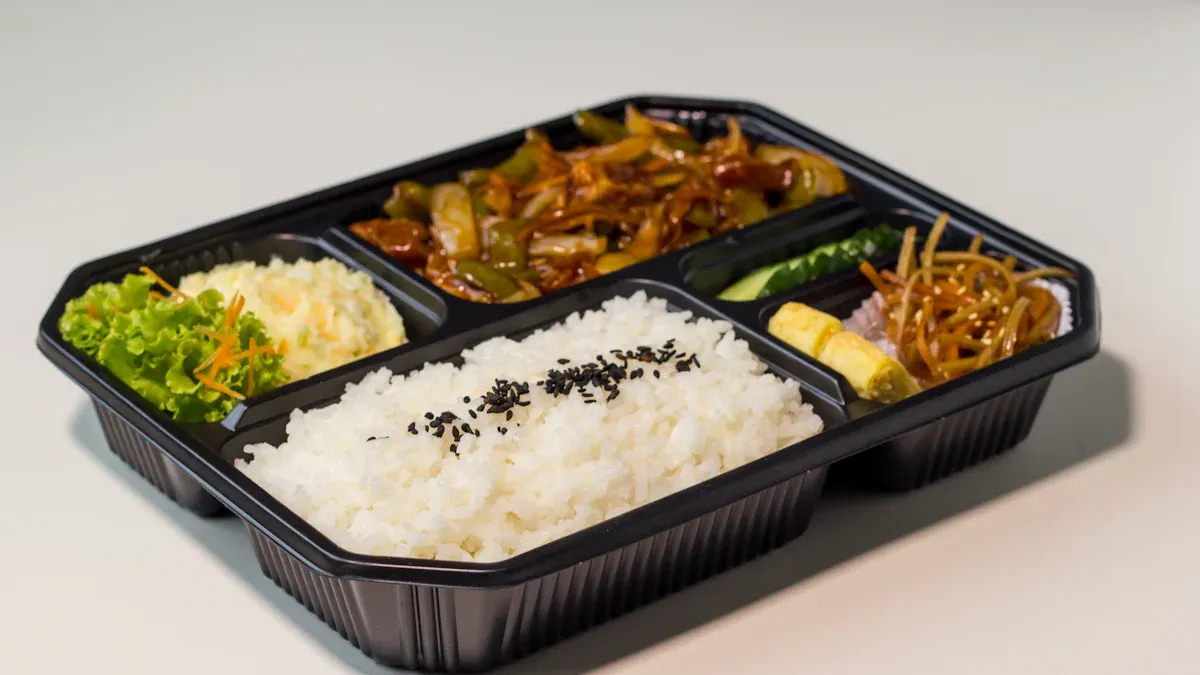
You must select the correct plastic material based on your specific food service temperature requirements. Temperature directly affects how packaging performs during transport, storage, and customer handling. Hot soups and cold salads require entirely different packaging materials to maintain structural safety, freshness, and appealing food presentation.
Polypropylene Options for Hot Foods
Polypropylene options handle severe heat and heavy meals without structural failure. You can safely serve piping hot items because polypropylene withstands high heat, oils, fats, and acidic sauces without warping or degrading.
Polypropylene is chemically stable for hot, oily, and acidic foods. It has a high melting point of 130–170°C (266–338°F), which allows it to tolerate heat without warping or melting, and it is resistant to oils, fats, and acids.
For food storage applications, polypropylene containers endure temperatures up to 266°F (130°C). This durability makes them completely safe for microwave heating, boiling liquids, and high-temperature cleaning. The maximum continuous use temperature for polypropylene equals 180°F (82°C), while its general melting point reaches 320°F (160°C). The theoretical operating range for polypropylene spans from -30°C to 140°C. Its heat distortion temperature under a 0.45 MPa load reaches approximately 110°C. Polypropylene remains lightweight, blocks moisture effectively, and handles hot greasy dishes without chemical breakdown.
You should evaluate practical heating conditions carefully before filling your containers. Tableware labels often cite a short-term withstand temperature up to 120°C for safe handling. However, heat distortion temperature differs from continuous usage temperature. When you pour 100°C hot soup into a container, the instant inner wall temperature can exceed 130°C. This extreme heat causes minor material changes and slight wall deformation. Polypropylene remains the safest plastic choice for hot foods, boiling liquids, soups, stews, and greasy entrees despite this brief inner wall reaction.
PET Packaging for Cold Foods
Polyethylene terephthalate packaging excels in cold temperature retention, crystal clarity, and crisp food presentation. You can store chilled items safely because polyethylene terephthalate offers a reliable cold storage lower limit of -40°F (-40°C) and an upper limit of 140°F (60°C). This temperature rating allows smooth, gradual temperature transitions from the freezer to the countertop or display counter without cracking or breaking. It works brilliantly for chilled salads and frozen desserts.
Polyethylene terephthalate offers crystal-clear visibility for fresh menu items. This crystal-clear finish lets your customers view the freshness of strawberries, mixed greens, bakery items like éclairs, and cold deli items instantly. Excellent visibility directly enhances shelf appeal and boosts buyer confidence at your display counter. Using clear Plastic Takeout Containers provides dependable strength and leak-resistant performance for your takeout, delivery, and grab-and-go service.
You must avoid using polyethylene terephthalate containers for high-heat foods or repeated microwave reheating. Heat causes this material to soften, warp, and lose structural strength at a maximum safe temperature of 80°C. While general polyethylene terephthalate lists a maximum continuous use temperature of 300°F (150°C) and a melting point of 500°F (260°C), food applications require strict lower heat limits. Warming polyethylene terephthalate can cause bisphenol A migration up to 0.3 mg/L in yogurt drinks. Recycled polyethylene terephthalate may also contain residual cleaners or pesticides. Selecting proper Plastic Takeout Containers made from polypropylene for hot meals and polyethylene terephthalate for cold dishes protects customer health, prevents messy spills, and preserves food quality completely.
Key Features for Hot Food Containers
Heat Resistance and Steam Venting
You need food packaging that maintains structural safety when holding piping hot meals. Polypropylene (PP) plastic delivers exceptional heat resistance and withstands food temperatures up to 120°C (248°F) without deforming or releasing harmful chemicals. This durable material safely handles maximum hot fill temperatures reaching 205°F during busy kitchen prep. Physical deformation only begins when container temperatures reach the distortion temperature range of 240°F to 270°F.
Hot Fill Limit: Safely supports hot fill applications up to 205°F.
Distortion Range: Resists structural deformation until reaching 240°F to 270°F.
Venting Capability: Optional vented lids allow steam to escape during heating.
You must look for an official microwave-safe symbol on your containers before reheating food. Vented lids allow trapped steam to escape during microwaving, which reduces pressure buildup and prevents severe lid distortion. You preserve container integrity by avoiding overheating fatty or highly seasoned foods at elevated temperatures. Following proper care instructions keeps your container lids flat and seals tight during high-temperature service.
Structural Rigidity and Insulation
You protect hot delivery orders by choosing packaging materials with high structural rigidity. High-density polyethylene (HDPE) provides robust rigidity, chemical resistance, and toughness for demanding food service tasks. Food-grade HDPE and fatigue-resistant PP both withstand repeated microwaving and commercial dishwasher cycles. Sturdy plastic construction prevents wall collapse or corner cracking when staff package heavy entrees.
Square form factor containers significantly enhance stacking stability, while snap-and-lock lid systems seal tightly to maintain structural integrity during transit.
A snap-and-lock lid system clicks into place quickly, holds fast during transport, and releases easily for customers. This tight seal resists moisture intrusion and stops leaks from hot soups or heavy sauces. Square form factors maximize stacking stability in delivery bags and reduce package deformation under weight. You ensure safe deliveries, maintain food presentation, and protect customer health with these well-engineered container designs.
Essential Design Elements for Cold Food
High-Clarity Aesthetic Presentation
You enhance cold food presentation and boost impulse sales by selecting takeout containers with exceptional visual clarity. Polyethylene terephthalate (PET) delivers outstanding material strength, a lightweight structure, and crystal-clear visibility for chilled dishes. You can also choose recycled PET (rPET) containers to gain high-clarity packaging with strong retail shelf appeal. Clear packaging displays vibrant green salads, colorful fresh fruits, and deli items directly to hungry shoppers.
Polylactic acid (PLA) containers also combine high visual clarity with reliable performance for cold food applications. You must keep PLA containers below 50°C because PLA is not microwave-safe. Transparent packaging directly shapes consumer perception within the first 7 seconds of shelf contact. Buyers instantly judge ingredient freshness through clear lids before purchasing. Integrated anti-fog coatings eliminate surface condensation buildup. This anti-fog feature lets your customers always see clean, appetizing, and fresh product displays.
Airtight Moisture Control and Seals
You protect cold food quality, flavor, and texture by choosing containers with airtight, precision-engineered seals. Tight moisture control prevents crisp salad greens from wilting during storage. Secure lids keep delicate dressings, chilled sauces, and cold juices from leaking into transport bags. Proper seal integrity keeps cold air inside the container during delivery. Consumers mentally associate packaging quality directly with food quality. Clear lids without messy fog build immediate buyer trust, while weak packaging creates doubt about your food standards.
A reliable closure system preserves food texture, blocks moisture loss, and shields contents against environmental contamination. You must select dependable sealing designs to maintain customer satisfaction and protect your delivery service.
Professional seal finishes with peelable or tamper-evident options enhance perceived product quality and safety.
Precision-engineered seals maintain consistent moisture control, block external airborne contaminants, and preserve delicate food textures.
Poor seal integrity, a frustrating opening experience, leaky lids, or warped containers quickly cause negative reviews and lost repeat sales.
Versatile Options for Mixed Temperature Meals
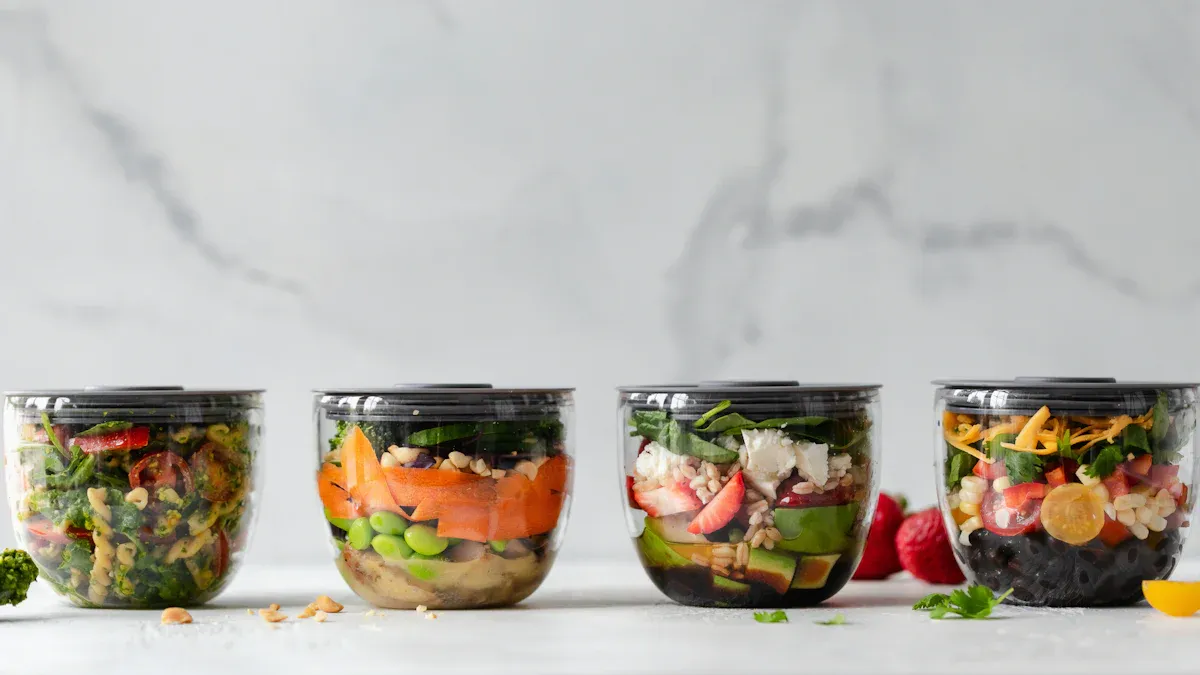
You need versatile packaging solutions when serving combination meals that feature both hot and cold components. Multi-compartment containers allow you to package distinct culinary items securely within a single unit.
Multi-Compartment Container Layouts
Multi-compartment containers offer a practical solution for combination meals by keeping different foods separated within the same package. You prevent rich sauces from mixing with dry items like rice or crispy french fries. This separation preserves original food textures and protects visual presentation during delivery. These containers also simplify portion control for kitchen staff while significantly enhancing the customer dining experience.
Multi-compartment designs reduce flavor transfer and keep sauces away from dry items. The divider height should work with the lid so food cannot move between sections during transport.
Matching internal divider heights with tight-fitting lids creates an effective barrier against cross-compartment leaks. You maintain high hygiene standards because independent compartments stop strong odors from mixing together. Hungry customers receive visually appealing, neatly presented dishes that build confidence in your food quality.
Dual-Temperature Polypropylene Bases
Polypropylene bases provide exceptional material stability when you serve complex, mixed-temperature menus. Durable polypropylene tolerates elevated temperatures from hot entrees without weakening, which allows you to place warm items next to ambient or chilled side dishes in divided trays. This sturdy material resists moisture loss, blocks hot grease, and preserves structural integrity throughout transit.
Rectangular multi-compartment bases streamline your delivery operations through smart physical design.
Benefit | Description |
|---|---|
Temperature & Flavor Separation | Solves ‘Hot and Cold Partition’ and prevents flavor mixing between compartments, addressing a core need for mixed temperature meals. |
Hygiene & Visual Appeal | Independent compartments prevent odor mixing and present ingredients neatly, improving perceived food quality and hygiene. |
Space Efficiency & Transport | Rectangular design allows efficient stacking, reducing storage space and transportation costs while maintaining structural integrity. |
Choosing structured polypropylene packaging optimizes storage efficiency in delivery bags. You protect customer health, prevent messy accidents, and maintain proper food separation on every single order.
Health and Safety for Plastic Takeout Containers
BPA-Free and FDA Food-Grade Standards
You protect customer health by choosing compliant, food-grade packaging solutions. The FDA recognizes resin identification codes 1, 2, 4, and 5 as consistently safe choices for BPA-free food contact. These stable materials prevent harmful chemical transfer into meals during normal handling. Official safety regulations require thorough migration testing or modeling. This testing ensures that chemical transfer stays well below the 0.5 ppb threshold for negligible exposure. Manufacturers submit detailed safety information through the Food Contact Notification program. This official regulatory process establishes a mandatory 120-day review period for new food packaging materials.
The FDA applies rigorous temperature stress tests to verify container safety. Regulators submerge test plastics in 250°F water for 2 hours to measure chemical migration under heat. A separate test uses heptane solvent at 150°F for 2 hours to test chemical resistance. The maximum allowable chemical transfer must remain below 0.5 mg per square inch across all tests. You can check for the official fork and cup symbol or recycling codes on Plastic Takeout Containers to verify safety compliance immediately.
Preventing Warping and Chemical Leaching
You must avoid storing extremely hot, fatty foods inside standard plastic containers. Piping hot items like melted cheeses and fried meats transfer extreme heat to container walls. High temperatures warp soft plastics and significantly increase microplastic shedding directly into oily foods. Overheating polypropylene containers also raises contaminant levels as duration increases. Prolonged heat exposure accelerates the leaching of toxic plasticizers, neurotoxic organophosphates, and phthalates into fatty meal portions.
You safeguard your long-term health by transferring hot leftovers directly into glass, ceramic, or stainless steel containers for prolonged storage and reheating.
You should stop heating takeout food inside plastic tubs in the microwave. Microwave radiation heats food rapidly, causing unapproved resins to break down and contaminate meals. High dishwasher water temperatures also cause plastic items to shed microplastics over repeated cleaning cycles. Hand washing your food containers prevents structural degradation, while switching to ceramic plates ensures clean, safe reheating every time.
Practical Buying and Usage Criteria
Snap-On and Hinged Lid Security
You must evaluate container lids to prevent delivery spills and keep your food safe. High-quality snap-on lids click firmly over container rims, creating tight seals. Hinged lid designs keep lids attached to bases, which speeds up packing during busy kitchen shifts. You avoid thin polystyrene (#6) options because heat warps their edges, causing severe lid failure and messy spills during transport.
Reliable closures also protect your staff and customers from accidental burn hazards. Low-grade plastics can become dangerously hot at 150-180°F, creating burn risks during handling. Thick-wall polypropylene (#5) containers maintain structural shape and keep handle temperatures at a safe 120°F. High-grade packaging resists thermal shock without micro-cracking or clouding. You should choose durable Plastic Takeout Containers with a minimum wall thickness of 1.5mm and NSF/ANSI 51 certification to guarantee long-term commercial performance.
Microwave and Freezer Suitability
Choosing proper containers ensures food reheats safely without dangerous cold spots. High-grade polypropylene (#5) delivers over 95% even heating during microwave use, while poor materials leave food centers frozen at 32°F. Polypropylene also generates minimal condensation pooling at just 5% of volume. Poorly performing plastics accumulate 25% condensation pooling, which creates moisture issues and bacterial growth risks.
You must match plastic material ratings with your specific kitchen service temperature needs.
Evaluation Criteria | PP Plastic | PET Clear |
|---|---|---|
Heat Resistance | 120°C and above | 60–70°C (not suitable for hot food) |
Relative Procurement Cost | Low | Low to Moderate |
Stackable Storage Efficiency | Excellent | Excellent |
PP plastic handles extreme heat above 120°C for microwave safety and commercial dishwasher use. PET clear packaging restricts usage to cold items under 60–70°C while offering excellent stackable storage efficiency. Reusability evaluation creates environmental and economic benefits while reducing overall waste. Always check local recycling regulations to process food-contaminated packaging properly, keeping your business compliant and efficient.
Matching plastic packaging to food temperature protects meal quality and guards customer health.
Polypropylene handles hot entrees up to 120°C without warping. Polyethylene terephthalate displays cold meals clearly down to -40°F. You must choose BPA-free, FDA-approved materials to prevent dangerous chemical leaching during storage. Tight, snap-on seals block messy leaks during transit and keep sauces contained. You ensure safe food delivery when you align Plastic Takeout Containers with your exact menu temperatures. High-quality packaging keeps hot dishes warm, cold items crisp, and hungry customers completely satisfied on every order.
FAQ
Can you microwave PET plastic takeout containers?
No, you should never microwave PET containers. PET softens and warps at temperatures above 80°C. Heating PET causes chemical migration up to 0.3 mg/L. Always choose polypropylene (PP) containers for safe microwave heating up to 120°C (248°F).
Which plastic containers work best for freezing cold food?
PET plastic containers excel in cold storage. PET safely handles extreme cold down to -40°F (-40°C) without cracking. Its crystal-clear material lets you showcase fresh salads and frozen desserts directly to your customers while maintaining a tight moisture seal.
How do you identify FDA-approved food-safe plastic containers?
Check the bottom of your plastic packaging for resin identification codes 1, 2, 4, or 5. Look for the official fork and cup symbol. These BPA-free plastics pass strict FDA tests to ensure chemical migration stays below safe regulatory limits.
Why do polypropylene containers feature vented lids?
Vented lids allow trapped steam to escape during microwave reheating. Trapped steam creates pressure and warps plastic seals. Polypropylene handles hot fill temperatures up to 205°F, and steam vents keep container lids flat to prevent dangerous kitchen spills.